
Gentle Shore Days, Confident Memories
Principles for Calm, Accessible Planning
01
Energy Budgeting, Not Clock Chasing
Begin by estimating personal energy like a precious budget, assigning small, realistic amounts to transfers, lines, and each stop. Use color‑coded cues or smartphone reminders to notice dips early. Protect margins fiercely, because a preserved reserve often turns potential setbacks into relaxed, confident pivots.
02
Reading Gradients, Surfaces, and Crowds
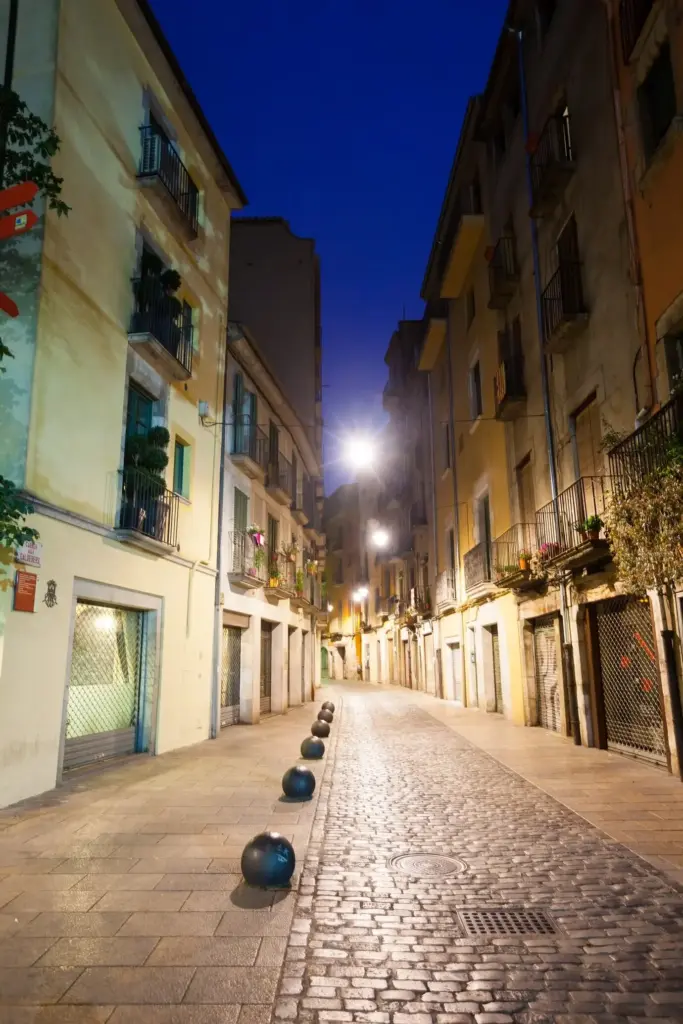
Map incline percentages, paving materials, and likely congestion windows before arrival. Gentle pacing shines when steep segments are bypassed, narrow alleys avoided, and alternate entrances identified. Combine satellite imagery with street‑level photos, then mark tactile hazards, uneven stones, and temporary works that could sap strength unexpectedly.
03
Designing Rest as a Highlight
Treat breaks as celebrated moments, not apologies. Choose benches with views, cafés near level bathrooms, and breezy shade beside accessible fountains. Share conversation prompts or sketch landmarks while pausing, so rest becomes storytelling time, building meaning, regulating breath, and preparing bodies for the next gentle stretch.
Verify Transfers and Vehicles
Find Reliable Restrooms and Seating
Accessible Shuttles, Taxis, and Ferries
Bridges, Gangways, and Terminal Layouts
Activities That Welcome Every Pace
Promenades, Parks, and Waterfront Benches
Favor smooth, wide paths with railings and frequent seating, ideally near cafés with step‑free entries. Bring binoculars to enjoy harbor activity without extra walking. Photograph boats, birds, and reflections, then journal a few lines. Quiet observation becomes meaningful exploration when comfort leads and curiosity follows.
Museums, Elevators, and Quiet Corners
Call ahead to confirm step‑free entrances, wheelchair availability, and loaner stools. Ask about sensory‑friendly hours and nearby seating. Choose exhibits on one level to avoid fatigue. When energy dips, find a quiet corner to sketch, meditate, or simply breathe, letting art restore balance gently.
Cafés, Markets, and Flavorful Rest
Plan snacks and hydration as cultural experiences, not afterthoughts. Seek markets with ramps, lightweight chairs, and shade. Choose cafés that welcome unhurried stays, where staff can help carry trays. Nourishing pauses stabilize blood sugar, lift spirits, and keep gentle momentum alive without sacrificing comfort or dignity.


Micro‑Recovery That Actually Works
Weather‑Smart Choices, All Year
Share Your Experience, Shape Better Shore Days
Tell Us What Worked, and Why
Map Corners, Curbs, and Quiet Rooms
Join for Updates and Custom Requests

All Rights Reserved.