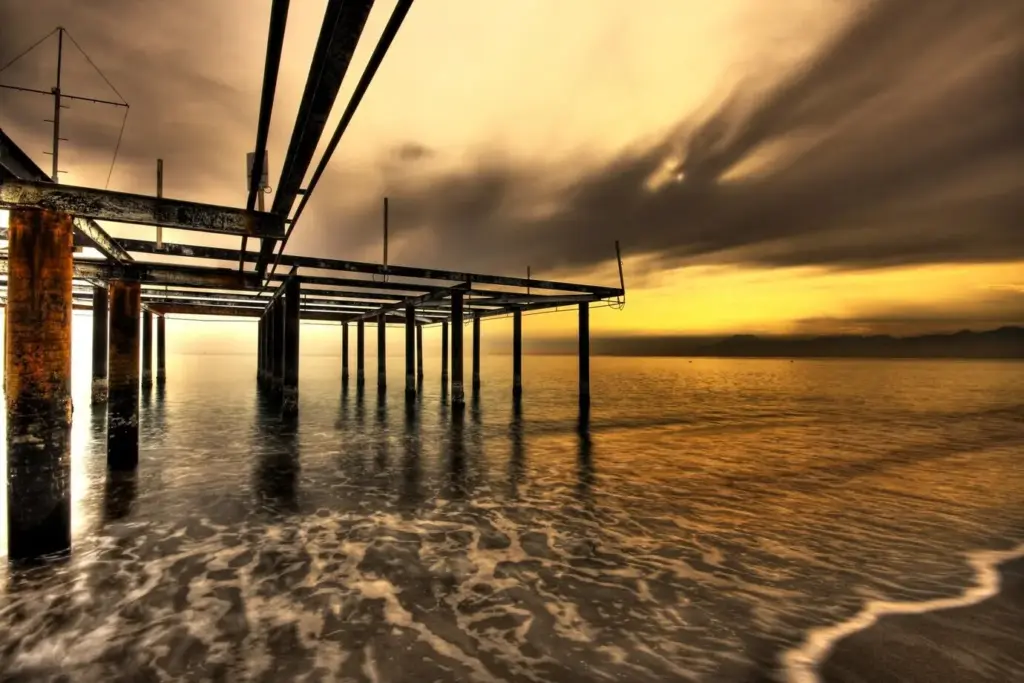
Step Off the Ship, Start Exploring on Foot

Step off the gangway knowing exactly where your feet can take you. Today we focus on walkable port-day itineraries within a mile of the pier, turning limited hours into satisfying discoveries. Expect practical pacing, sensory highlights, local etiquette, and compact routes that reward curiosity without risking all-aboard time. Bring comfortable shoes, an open appetite, and a map that respects distance, not hype. Share your favorite waterfront finds so fellow travelers can enjoy more with less.

First Hour Strategy: Orient, Prioritize, Move

The first sixty minutes decide everything: your confidence, your pace, and whether you return smiling or frazzled. Begin by locating restrooms, water, and a clear landmark to navigate back. Pin three must-dos within a one-mile circle, then assign times generously. Allow detours for music, markets, or a street artist, yet keep one eye on the clock. End the hour with a micro-celebration—maybe a pastry—so energy stays high and memories feel deliberate.

Pierfront Landmarks Checklist

Identify big, unmistakable anchors: a clock tower, a distinctive warehouse mural, a ferry terminal sign, or a statue. These become your visual breadcrumbs if cell service falters or battery bars dip unexpectedly. Snap a quick photo of each reference point, including their intersections. Add a mental map: turn left by the lighthouse, right at the cannons, straight past the fish market. Confidence grows when your brain collects friendly beacons.

Beating the Clock Without Rushing

Divide your exploration into friendly segments—fifteen-minute bursts that feel like chapters rather than sprints. Each chapter has a mission: reach the plaza, taste the seasonal fruit, capture a shoreline panorama. Build in a buffer chapter just before your halfway point. If a musician’s melody or a doorway museum steals your attention, trade it for buffer minutes, not your return cushion. Calm momentum makes small discoveries meaningful, not frantic.

Mapping the Mile with Confidence

Before leaving the pier, draw a tidy circle on an offline map and label it “one-mile comfort zone.” Choose a clockwise or counterclockwise loop and stick with it, minimizing zigzags that waste steps. Favor waterfront promenades for easy navigation and reliable signage. Cross streets at plazas, not mid-block, to preserve rhythm and safety. If you wander inward, set a firm turn-back point. Loops beat out-and-backs for variety and reassurance.

Food Within Footsteps: Savor Local Flavor

Within a mile of most piers, small kitchens hum with pride—family counters, market stalls, and bakeries perfuming the air. Plan a tasting walk that spreads joy, not fullness: one savory, one sweet, one sip. Ask vendors what locals order when they are in a hurry, then trust their instincts. Capture flavors you can finish standing. Keep napkins handy, pace yourself, and celebrate the culinary postcards you collect without losing precious time.

Museums and Mini-Galleries Near the Water

Small institutions shine when time is scarce. Look for exhibits that promise “highlights in fifteen minutes,” then commit. Photograph placards for later reading and focus on three artifacts that stir emotion. Ask about the object everyone overlooks; curators light up sharing hidden gems. Many waterfront galleries support working artists—buy a postcard, follow them online, and tag your find. Memory deepens when you take a piece of interpretation home.

Public Art, Plaques, and Stories Underfoot

Statues and murals near piers often trace the neighborhood’s heartbeat. Read the smallest plaque—dates and donors reveal surprising alliances. Sidewalk medallions map pilgrim routes, fishing grounds, or labor strikes. Step carefully; history sometimes hides in brass letters at curb level. If you encounter a local guide offering a five-minute narrative, pause kindly. A short story becomes a compass, turning anonymous bricks into named faces, songs, and stubborn hopes.

Sacred Spaces and Quiet Corners

Within a mile you may find a chapel, shrine, or pocket garden where voices soften. Slip inside respectfully, observe posted customs, and let your breathing slow. The silence refreshes legs and tempers alike. Consider lighting a candle, leaving a small donation, or signing a guestbook that shares your journey with caretakers. Quiet places anchor itineraries, granting steadiness before you return to horns, gulls, and glittering water lines.

Culture in Close Quarters

You do not need to wander far for meaning. Waterfront districts hold layered histories—immigration points, trading posts, shipyards, festivals, and memorials. Choose compact venues with clear signage and short dwell times. Free galleries, municipal museums, and visitor centers often curate powerful vignettes ideal for quick learners. Seek docents; their five-minute stories pack decades into moments. Your walk becomes a living archive, turning footsteps into dates, names, songs, and resilient communities.

Parks that Start at the Boardwalk

Some cities lace lawns directly into the pier district, inviting picnics and cartwheel laughter. Enter where joggers merge with families pushing strollers, and follow the first shady lane. Scan for fountains and public restrooms—both matter more than pretty lawns. Seasonal plantings make repeat calls unique. If a volunteer gardener greets you, ask what blooms next month. Their answer becomes a promise, pulling future voyages into your daydreams.

Short Trails with Surprising Vistas

A half-mile spur can deliver a cliff overlook, lighthouse railing, or shipyard panorama. Choose routes with railings and clear surfaces when footwear is casual. Pause at every bend to look back; perspective improves with small changes in height. Photograph horizons and foreground texture—rope coils, wildflowers, rusted bollards. These textures carry scent and memory later. Leave no trace, greet fellow walkers, and share short-trail tips with readers who crave similar joys.

Bench-to-Bench Recovery

Turn benches into waypoints, not surrender flags. Sit for three breaths, roll ankles, sip water, then notice the tiniest movements—flags snapping, rigging singing, a cyclist’s bell. Short rests sharpen curiosity more effectively than long collapses. If you journal, jot a sentence per bench. Those scattered lines stitch a tapestry later aboard. A rested traveler sees twice as much within the same mile and smiles the whole return.

Smart Safety and Local Etiquette

Graceful wandering respects both place and people. Keep valuables zipped and phones tethered to your wrist. Cross only where drivers expect you. Ask before photographing faces, especially vendors and performers. Learn a greeting and thanks in the local language; watch how queues form and copy that rhythm. If something feels off, trust instincts and step toward light, cafés, or families. Safety is quiet confidence, not suspicion, and courtesy opens doors quickly.

01

Crosswalks, Curbs, and Crowds

Busy port roads can change patterns with ferry schedules. Follow locals across, never sprint between buses. When sidewalks narrow, go single file and keep the pace respectful. Yield to wheelchairs and strollers on ramps. If festivals surge, choose the outer edge of flow, then re-enter calmly. Wear visible colors on cloudy days, and keep earbuds low. A pleasant walker becomes an invited guest instead of an accidental obstacle.

02

Tipping, Tokens, and Small Bills

Street musicians and quick-serve counters may depend on coins more than card machines. Carry small bills or a prepaid transit card if the waterfront tram appears tempting. Ask vendors whether gratuity is included; respond with generosity when service feels personal. If bargaining is customary, keep tone friendly and brief. Money manners travel faster than language, smoothing tiny interactions that shape the memory of your mile-long adventure.

03

Weather Swings and What-If Plans

Coastal microclimates pivot fast. Pack a light layer, foldable hat, and pocket rain shell even on bluebird mornings. Mark a nearby indoor fallback—a museum, arcade, or covered market—at the far end of your loop. If heat spikes, invert the route, sticking close to water breezes. Practice saying, “We’ll save that for next visit,” and mean it. Flexibility turns surprise skies into playful chapters rather than disappointments.

Souvenirs Without the Schlep
Great mementos fit a pocket and a story. Shop tiny: enamel pins shaped like harbor cranes, spice packets with dockside history, postcards by local illustrators. Photograph a sign, then buy something from the person who made it. Think edible, usable, or wearable within ship rules. Skip fragile glass and heavy books unless your cabin shelf begs for them. Share your favorite finds in the comments so others can treasure-hunt nearby.
Vopofupakirara
Privacy Overview

This website uses cookies so that we can provide you with the best user experience possible. Cookie information is stored in your browser and performs functions such as recognising you when you return to our website and helping our team to understand which sections of the website you find most interesting and useful.